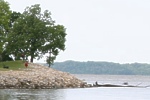
Coralville Lake is a reservoir on the Iowa River in Johnson County, Iowa, created by the Coralville Dam. The lake spans approximately 5,280 acres and stretches for over 9 miles upstream from the dam. It was officially completed and opened in 1958 with its primary purpose being flood control.
The main feature of this recreational area includes boating, fishing opportunities where anglers can catch bass, catfish among other species; camping facilities are also available along with hiking trails that offer scenic views of wooded landscapes around it. Additionally there's Devonian Fossil Gorge which became exposed after major flooding events revealing ancient sea floor fossils estimated to be about 375 million years old.
As an important resource not only for recreation but also water supply and wildlife habitat conservation efforts have been put into place ensuring sustainable use while maintaining ecological balance within surrounding ecosystems.
Coralville Lake, located in Johnson County, Iowa, was created by the U.S. Army Corps of Engineers with construction starting in 1949 and completing in 1958. The primary purpose for its creation was to control flooding on the Iowa River, provide a water supply source, offer recreational opportunities and enhance fish and wildlife habitat.
Prior to becoming a reservoir park area managed by the Army Corps of Engineers under federal ownership as part of flood risk management operations for the region's river system; this land had various uses over time including agriculture-primarily farming-and habitation areas settled by European immigrants during westward expansion.
Historical features within what is now known as Coralville Dam Complex include remnants from past communities such as foundations or cemeteries that were relocated due to dam construction. Notably preserved are elements like "The Devonian Fossil Gorge," exposed after major floods particularly those occurring since 1993 which revealed ancient sea floor fossils dating back around 375 million years ago when much of North America lay underwater.
Recreational facilities developed post-dam completion have transformed it into an outdoor destination offering camping sites along with boating ramps providing access onto waters popular among anglers seeking game species present there today alongside hiking trails through surrounding woodlands richly populated with diverse Midwestern flora & fauna thus contributing significantly towards local tourism economies whilst also serving educational purposes regarding natural history conservation efforts across generations visiting these public lands annually.
- T Walker




 Cottonwood Campground



 Share Your Coralville Lake Photos (click here)
