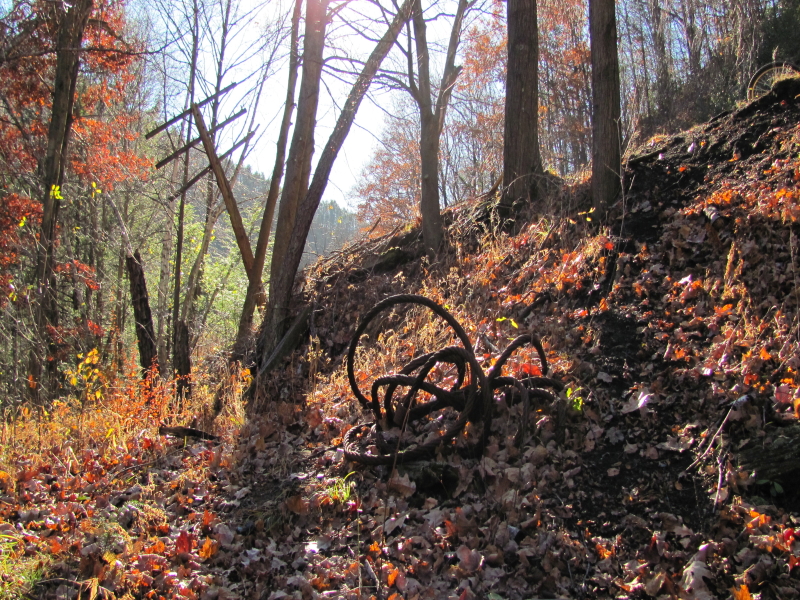
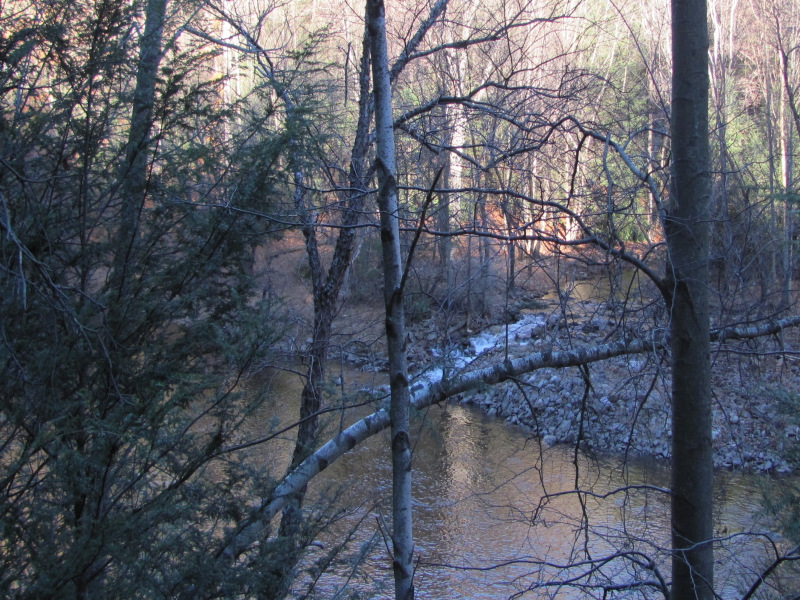
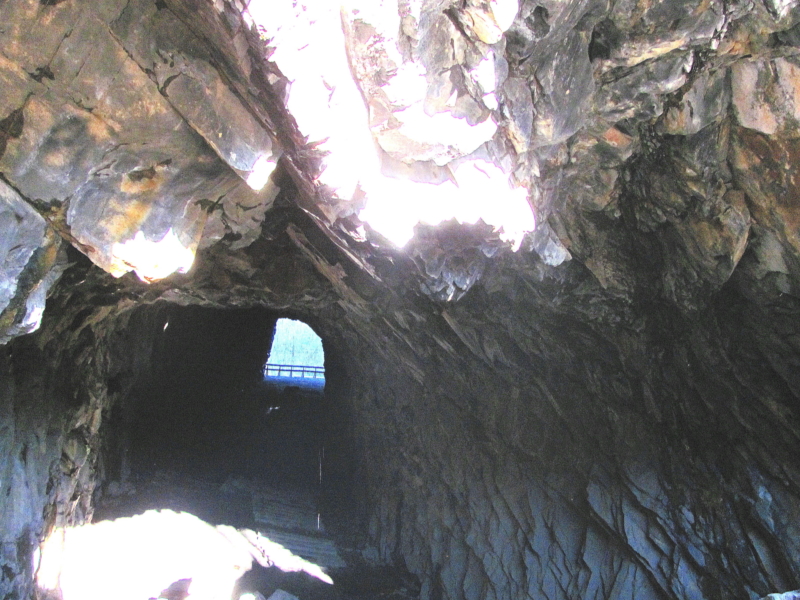
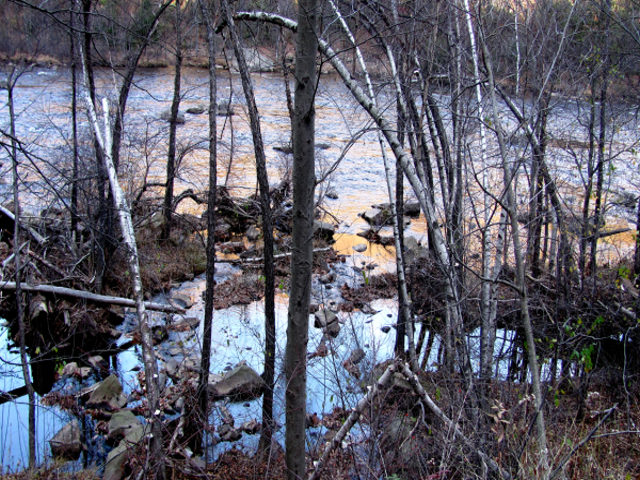
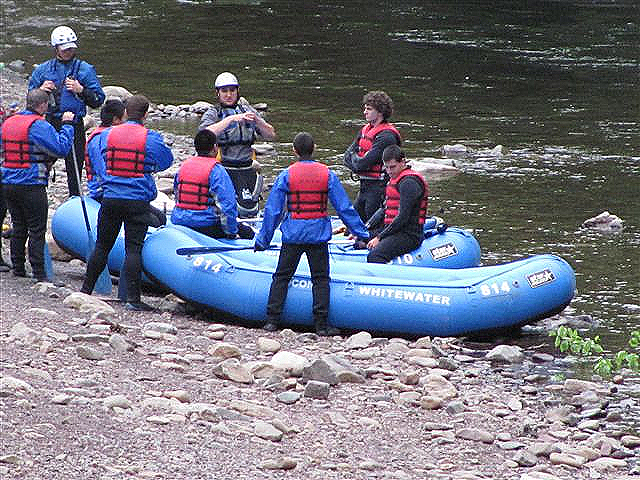
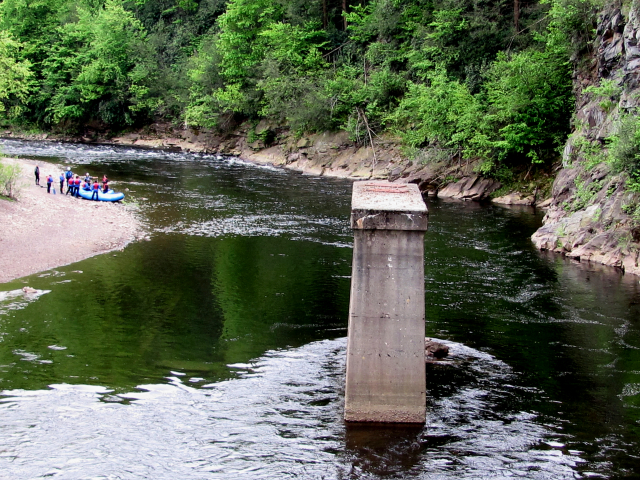
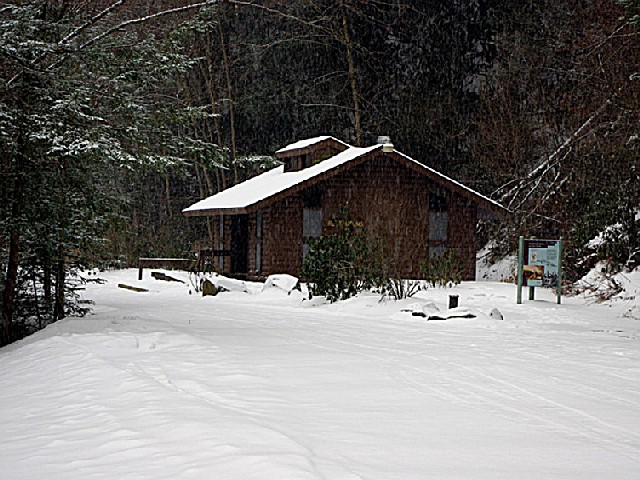
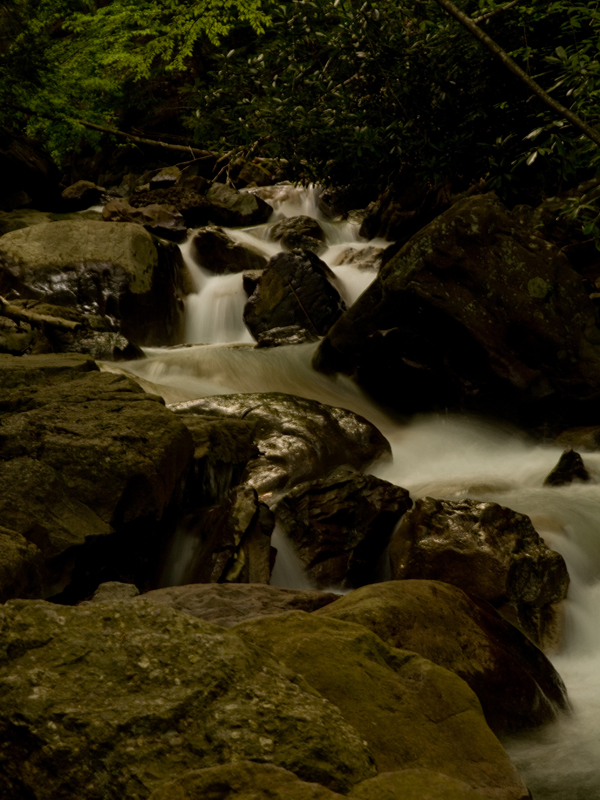
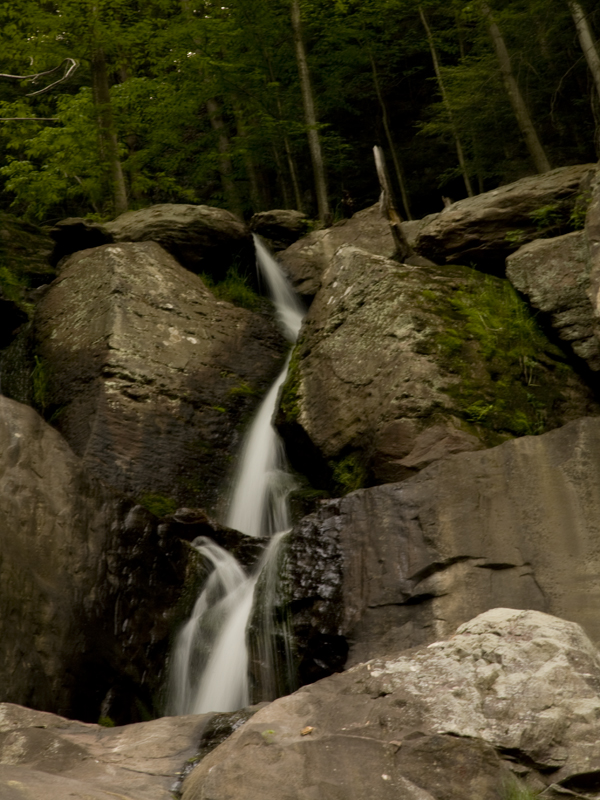
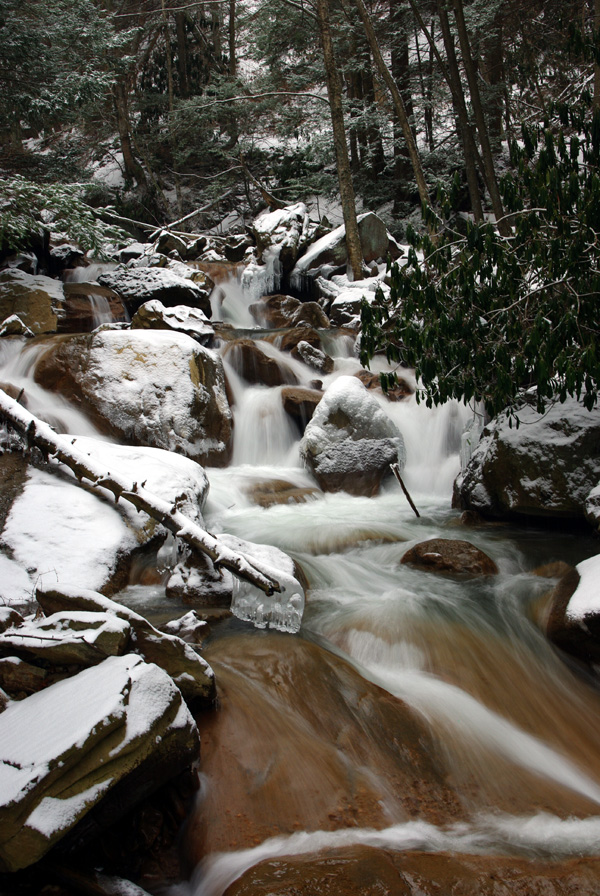
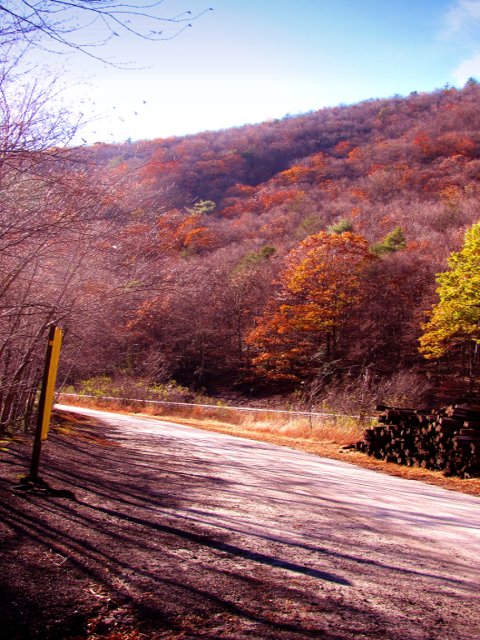
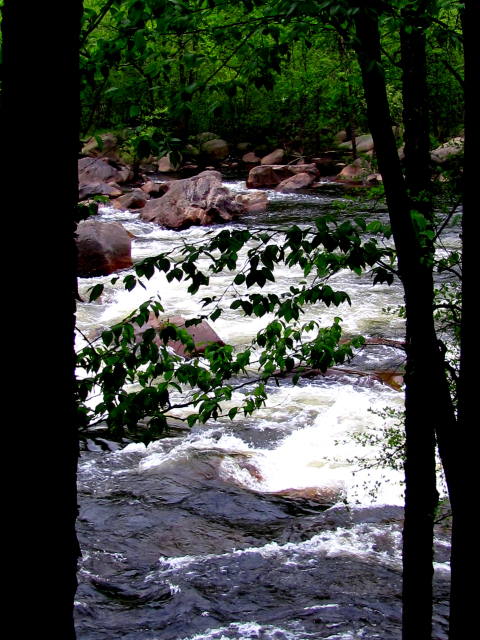
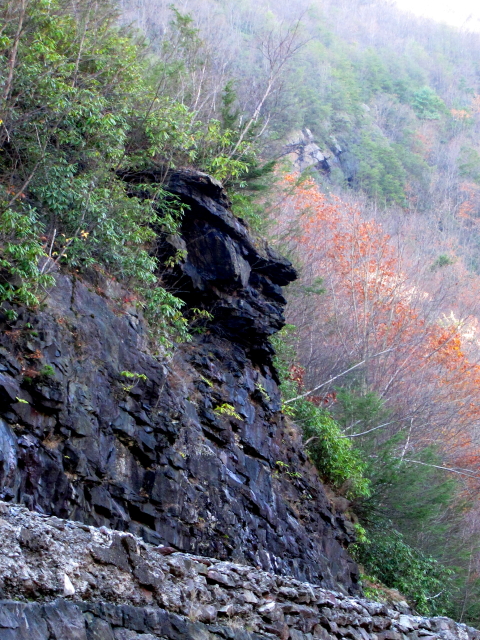
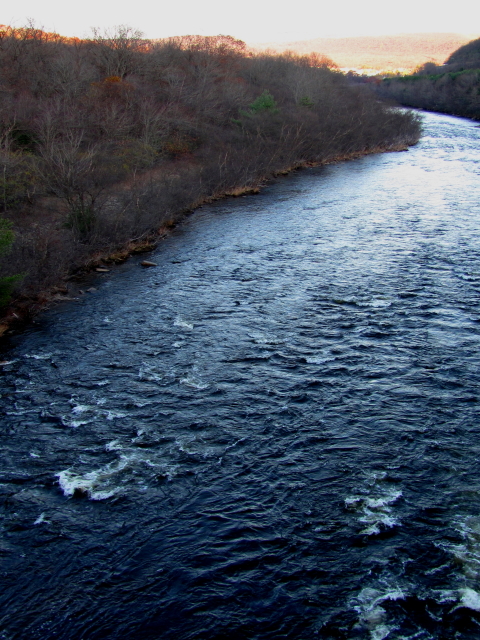
Lehigh Gorge State Park is administered by the Pennsylvania Department of Conservation and Natural Resources, Bureau of State Parks, and is in Luzerne and Carbon counties in eastern Pennsylvania. The park follows the Lehigh River from the outlet of the U.S. Army Corps of Engineers Francis E. Walter Dam at the northern end, to the town of Jim Thorpe at the southern end of the park. The deep gorge, steep walls and thick vegetation, rock outcroppings and many waterfalls characterize the entire park.
Settlement was sparse during the 19th century until loggers arrived and began felling trees and building sawmills. Famed naturalist and painter John James Audubon visited the area in 1829 and spent six weeks painting birds. He was distressed at how quickly trees were cut and shipped down river. The industrial revolution was just beginning in the area.
The discovery of anthracite coal at Summit Hill in 1791 caused intensive development and settlement of the upper Lehigh Valley. In the early 1800s, the need to transport increasingly large quantities of coal to markets down river led to the intensive development of canals. Between 1835 and 1838, a series of dams, locks, and canals was constructed by Josiah White and the Lehigh Coal and Navigation Company. White constructed 20 dams and 29 locks over the 26 miles between Mauch Chunk (now Jim Thorpe) and White Haven. Five and one-half miles of canal were also built. It was called the Upper Grand Section of the Lehigh Canal because the locks and dams were larger and far more impressive than the locks of other canals.
When severe flooding in the mid-1800s destroyed the canal system, it was replaced with the new technology of railroads. Remains of locks, dams and towpath are still evident in the Lehigh River Gorge.
Loggers continued to clearcut the huge white pine and hemlock trees for lumber and for the bark, which was used to tan hides. In the 1860s, the second largest tannery in the United States sat on the banks of the Lehigh River at the small town of Lehigh Tannery.
A terrible forest fire swept through the Lehigh Gorge area in 1875, burning the remaining standing timber, many sawmills and stockpiles of lumber. The sawmills closed and the loggers departed.
At the turn of the 20th century, railroads popularized the southern end of the canal as a resort called Glen Onoko. Hotel Wahnetah boasted 47 rooms, a dance pavilion, tennis courts, fresh air and hikes to the scenic Glen Onoko Falls. A fire in 1911 closed the hotel and a fire in 1917 ended the resort era. The gorge lay forgotten.
In the 1970s, the Commonwealth of Pennsylvania began purchasing parklands and in 1980 the land was turned over to the Bureau of State Parks.
- T Walker
There are no entrance fees or day use fees for any state park in Pennsylvania.





 You have a beautiful park. However I want to bring a problem to your attention. We had planned to bike the Gorge from White Haven to Jim Thorpe with transport from Jim Thorpe supplied by Pocono Bike Rentals. We signed up on line and paid $55. We were to arrive at the Onoko entrance before some minutes before 1pm which we did. However no one from Pocono Bike Rentals showed up. We called them and a man said that they were full before we signed up. He offered no assistance and hung up. Why did they take our reservation and our money if they were full When did they actually go It ruined our expectation of a ride through your beautiful park. We did ride a few miles up and back from Jim Thorpe, but we missed most of the trail and the beautiful scenery. Stephen Cristy, Oak Ridge TN
 Biking the Lehigh Gorge Rail-Trail was a fun and rewarding experience. Though I ride a tour bike, the crushed stone trail was packed hard enough to make this a very enjoyable ride. I would recommend this for all type bikes. A very well maintained trail. We had a difficult time finding the trailheads. Additional signage on the roads would be helpful.




 Share Your Lehigh Gorge State Park Photos (click here)